A bra is more than an undergarment — it’s the foundation your entire outfit is built on. The wrong fit can cause back pain, poor posture, and clothes that never sit right. The right one, on the other hand, boosts comfort, confidence, and how well your outfit drapes. Here’s a complete guide to bra types, why fit matters, and which fabrics work best for your skin and lifestyle.
Why the Right Bra Matters
Many women wear the wrong bra size without realizing it — studies consistently show most women are wearing a size that doesn’t fit correctly. An ill-fitting bra can dig into your shoulders, ride up at the back, or leave gaps in the cups. Beyond comfort, the right bra improves posture by properly distributing the weight of the bust, reduces strain on your back and neck, and helps your clothes fall the way they’re designed to.
Common Types of Bras and When to Wear Them
T-shirt Bra — Seamless, molded cups that create a smooth silhouette under fitted tops and t-shirts. A daily essential for most wardrobes.
Balconette Bra — Cups sit lower and wider, lifting the bust while leaving the upper chest exposed. Perfect under sweetheart necklines, off-shoulder tops, or low-cut dresses.
Push-Up Bra — Padded cups add lift and volume, ideal for special occasions, plunging necklines, or outfits where you want extra shape.
Sports Bra — Designed for support during physical activity. Choose low-impact styles for yoga or walking, and high-impact styles for running or intense workouts.
Strapless/Bandeau Bra — Built for backless or strapless outfits. Works best on fuller busts, as smaller busts may find it harder to keep in place without slipping.
Wireless Bra / Bralette — Lightweight, flexible, and wire-free — great for loungewear, sleep, or days when comfort takes priority over structure.
Minimizer Bra — Redistributes bust tissue to create a streamlined look under structured or fitted clothing, especially helpful for fuller-busted women.
Nursing Bra — Designed with drop-down cups for easy feeding access, offering support during and after pregnancy.
Which Bra Suits You?
- Petite bust: Push-up or padded bras add shape and volume.
- Full bust: Full-coverage or minimizer bras offer support and reduce strain.
- Athletic build: Sports bras with adjustable straps and breathable panels.
- Pear or hourglass shape: Balconette bras enhance natural curves beautifully.
The bigger rule: match your bra to the neckline and fabric of your outfit, not just personal comfort. A padded bra under a sheer top, or a strapless bra under a halter dress, makes all the difference in how the outfit looks.
Best Materials for Bras
Cotton — Breathable, hypoallergenic, and ideal for everyday wear, especially in humid climates. Great for sensitive skin.
Microfiber — Smooth, seamless, and moisture-wicking — perfect for wearing under fitted or thin fabrics.
Lace — Beautiful and feminine but less breathable; best reserved for occasion wear rather than all-day use.
Spandex/Elastane blends — Offer stretch and shape retention, commonly used in sports bras and everyday bras for a snug, supportive fit.
Bamboo fabric — An increasingly popular eco-friendly option — naturally breathable, soft, and antibacterial, great for sensitive or humid-weather wear.
For daily wear, a cotton or microfiber blend is usually the safest, most comfortable choice. Save lace and synthetic blends for special occasions when breathability matters less than aesthetics.
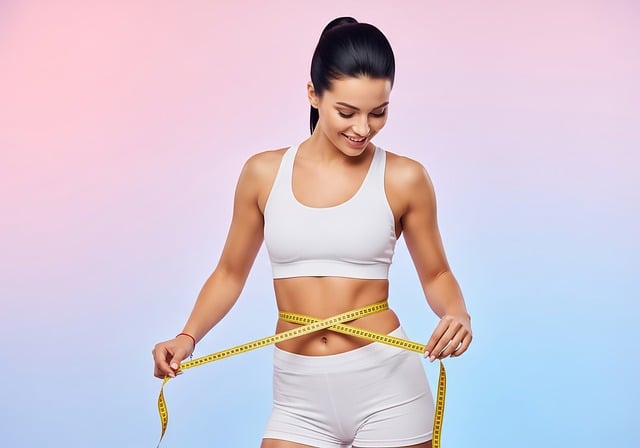
Choosing the right bra isn’t just about size — it’s about understanding your body shape, lifestyle, and the outfits you wear most. Get professionally measured every 6–12 months (your size can change due to weight fluctuation, pregnancy, or age), and don’t be afraid to invest in a few well-fitted basics rather than a drawer full of ill-fitting ones. Your comfort — and your outfits — will thank you.