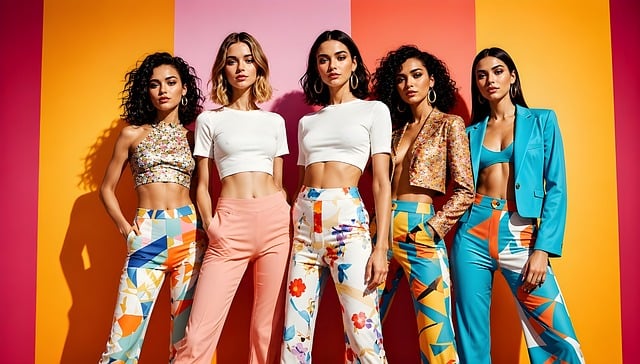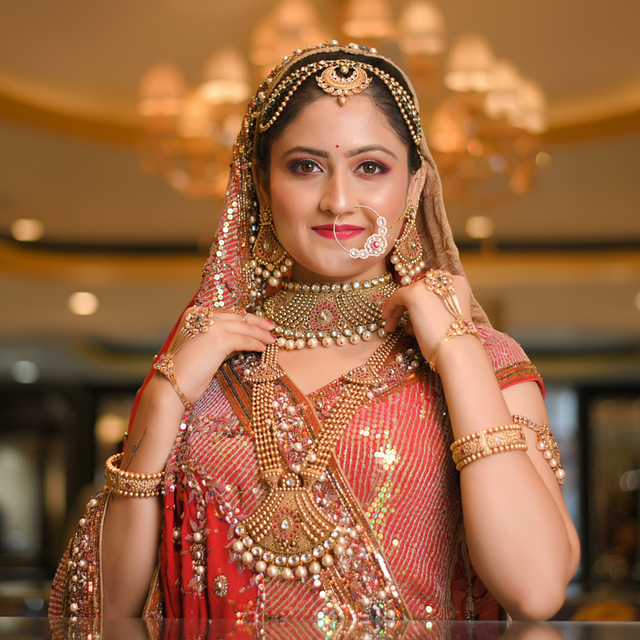

Workwear has undergone a quiet revolution. The rigid, uncomfortable formalwear of the past has given way to smart, comfortable clothing that still commands professionalism. Here’s how to build a work wardrobe that feels as good as it looks.
The Shift from Stiff Formality to Smart Comfort
Traditional workwear once meant stiff blazers, pencil skirts, and uncomfortable heels — chosen for appearance rather than comfort. Today’s professional dressing prioritizes both. Structured blazers are still a staple, but they’re now paired with relaxed trousers, midi skirts, or wide-leg pants instead of restrictive silhouettes.
Wardrobe Essentials for the Modern Workplace

The Structured Blazer — A well-fitted blazer instantly elevates any outfit, from a simple shirt-and-trouser combination to a dress. Neutral tones like black, navy, beige, and grey offer maximum versatility.
Tailored Trousers — Straight-leg or wide-leg trousers in breathable fabrics like cotton-blend or crepe offer comfort through long workdays without compromising on polish.
Button-Down Shirts — A crisp shirt remains a workwear cornerstone. Opt for wrinkle-resistant fabrics for easy all-day wear.
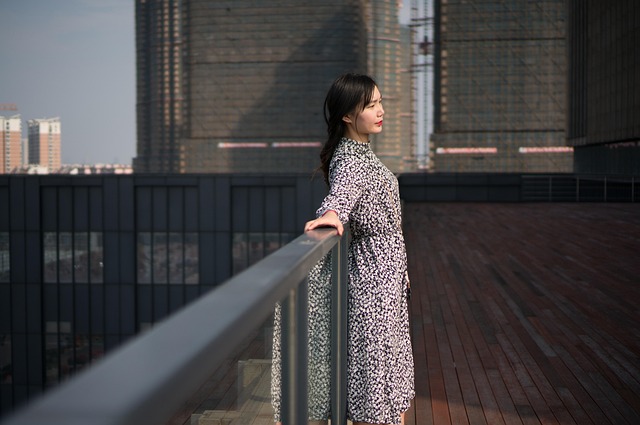
Midi Dresses — A well-tailored midi dress in a solid color or subtle print is an easy one-piece solution for office days, easily dressed up with a blazer or down with flats.
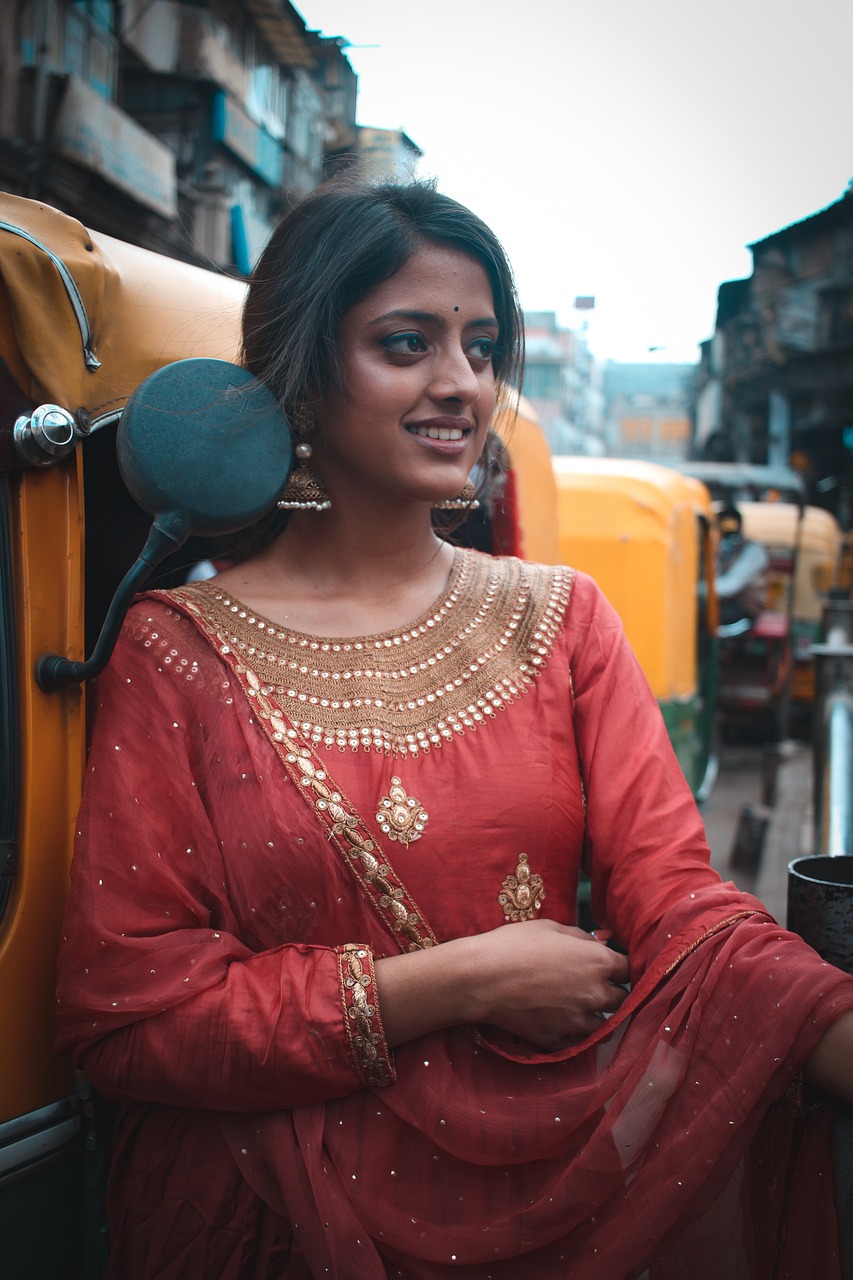
Ethnic Business Casual — Cotton or linen kurta sets paired with tailored jackets are becoming a popular alternative to Western suits, especially in Indian workplaces, offering both comfort and professionalism.
Fabric Matters More Than You Think
Fabric choice can make or break workwear comfort. Crepe, tencel, and stretch-cotton blends are replacing scratchy formal fabrics because they resist wrinkling, breathe well, and move with you through a full day of meetings. Avoid fully synthetic fabrics for daily office wear — they trap heat and can feel uncomfortable during long hours indoors or in warmer climates.
Color Psychology in the Workplace
- Navy and Black — Convey authority and professionalism; safe choices for interviews and formal presentations.
- Grey and Beige — Neutral, versatile tones that pair easily with brighter accent pieces.
- Soft Pastels — Add warmth and approachability without compromising professionalism.
- Monochrome Outfits — A single-color outfit head-to-toe creates a clean, elevated look with minimal styling effort — a growing trend in corporate settings.
Accessorizing for the Office
Keep accessories minimal and purposeful:
- A structured handbag or tote for practicality and polish.
- Subtle jewelry — small studs, a delicate chain, or a simple watch.
- Comfortable block heels, loafers, or ballet flats instead of high stilettos for all-day wear.
Dressing for Different Work Environments
Corporate/Formal Offices — Structured blazers, tailored trousers, and closed-toe footwear.
Business Casual Offices — Smart dresses, kurta sets, or blouse-and-trouser combinations with minimal accessories.
Creative Industries — More room for personal expression — bold colors, statement accessories, and fusion wear are often welcomed.
Remote/Hybrid Work — Comfortable but presentable separates, like a nice top with relaxed trousers, that work equally well on camera and in person.
Building a Capsule Work Wardrobe
Rather than buying trend-driven pieces, invest in a small set of versatile basics — two or three blazers, a handful of trousers and skirts, several shirts, and one or two dresses — all in colors that mix and match easily. This reduces daily decision fatigue while ensuring you always look put-together.
The best professional attire strikes a balance between authority and comfort. As workplaces continue to embrace flexibility, dressing well no longer means sacrificing how you feel — it means choosing pieces that let you move through your day with both confidence and ease.