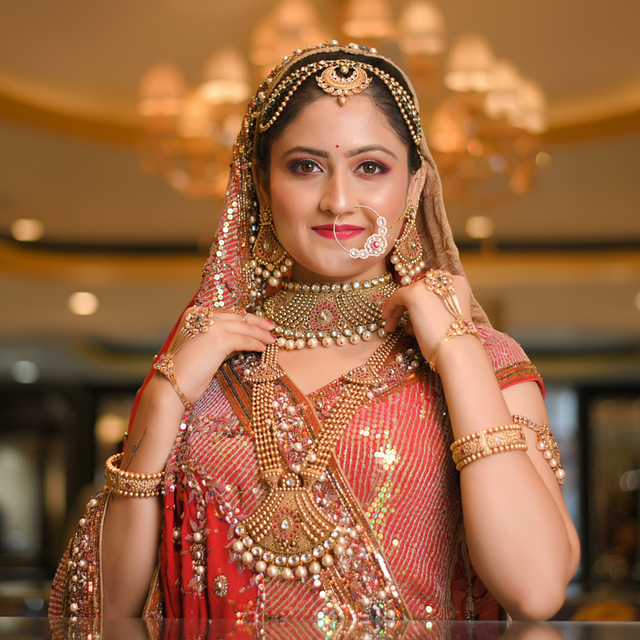
Bridal fashion has evolved dramatically over the last few years. Today’s brides want outfits that honor tradition while reflecting their personal style — comfortable enough to dance in, yet stunning enough for the wedding album. Here’s a look at what’s trending in ethnic and wedding wear right now.
The Shift Toward Comfort-First Bridal Wear
Gone are the days when brides suffered through impossibly heavy lehengas just for the sake of tradition. Designers are now using lighter fabrics, breathable linings, and better tailoring so brides can move, sit, and celebrate comfortably through hours-long ceremonies. Even heavily embellished outfits are being engineered with lighter interlinings to reduce overall weight without compromising on the grandeur.
Trending Silhouettes
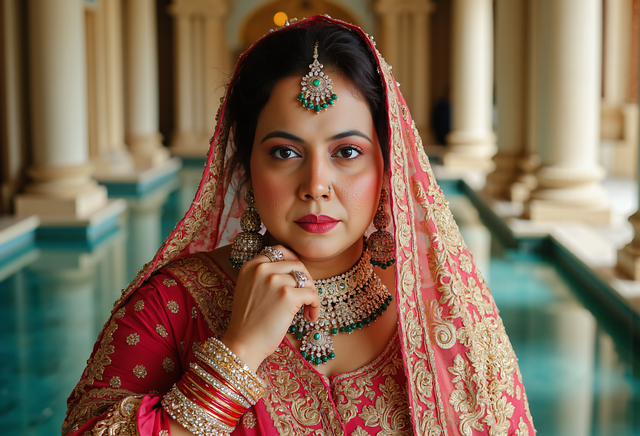
Cape-Sleeve Lehengas — A modern update to the classic lehenga, capes add drama and movement without extra bulk, and photograph beautifully.
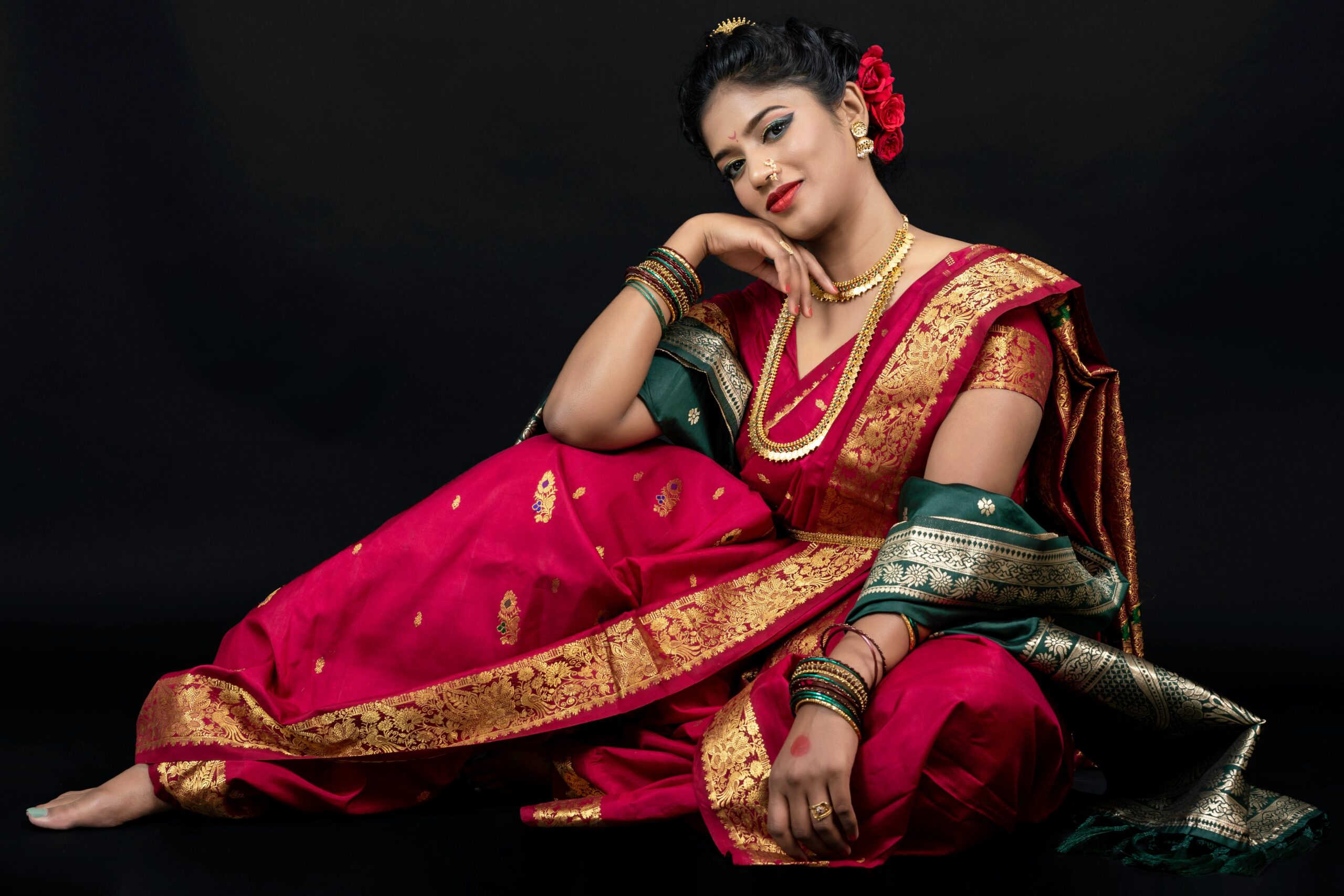
Pre-Draped Sarees — Sarees that come pre-stitched or pre-pleated, offering the elegance of a saree with the ease of a gown. Ideal for brides who want a traditional look without the hassle of draping.
Indo-Western Gowns — Fusion gowns that combine a flowing silhouette with Indian embroidery techniques like zardozi, resham, or gota patti — perfect for destination or fusion weddings.
Dhoti-Style Lehengas — A contemporary, playful take on traditional wear, popular for sangeet and mehendi functions.
Off-White and Pastel Bridal Wear — Red remains a classic choice, but ivory, blush pink, sage green, and dusty lavender are increasingly popular for brides wanting a softer, romantic palette.
Function-Specific Outfits Are Now the Norm
Modern weddings often span multiple days, and outfits are chosen function by function:
- Mehendi — Bright yellows, greens, and floral prints in flowy anarkalis or ruffled skirts.
- Sangeet — Shimmer gowns, sequinned lehengas, or fusion outfits built for dancing.
- Haldi — Pastel or yellow-toned outfits, often in lightweight cotton or georgette.
- Wedding Day — Traditional heavy lehengas, sarees, or gowns depending on regional customs.
- Reception — Contemporary gowns or fusion outfits that let the bride experiment beyond tradition.
Ethnic Wear Trends Beyond Weddings
Ethnic wear isn’t reserved for weddings anymore — it’s a wardrobe staple for festivals, work events, and everyday elegance.
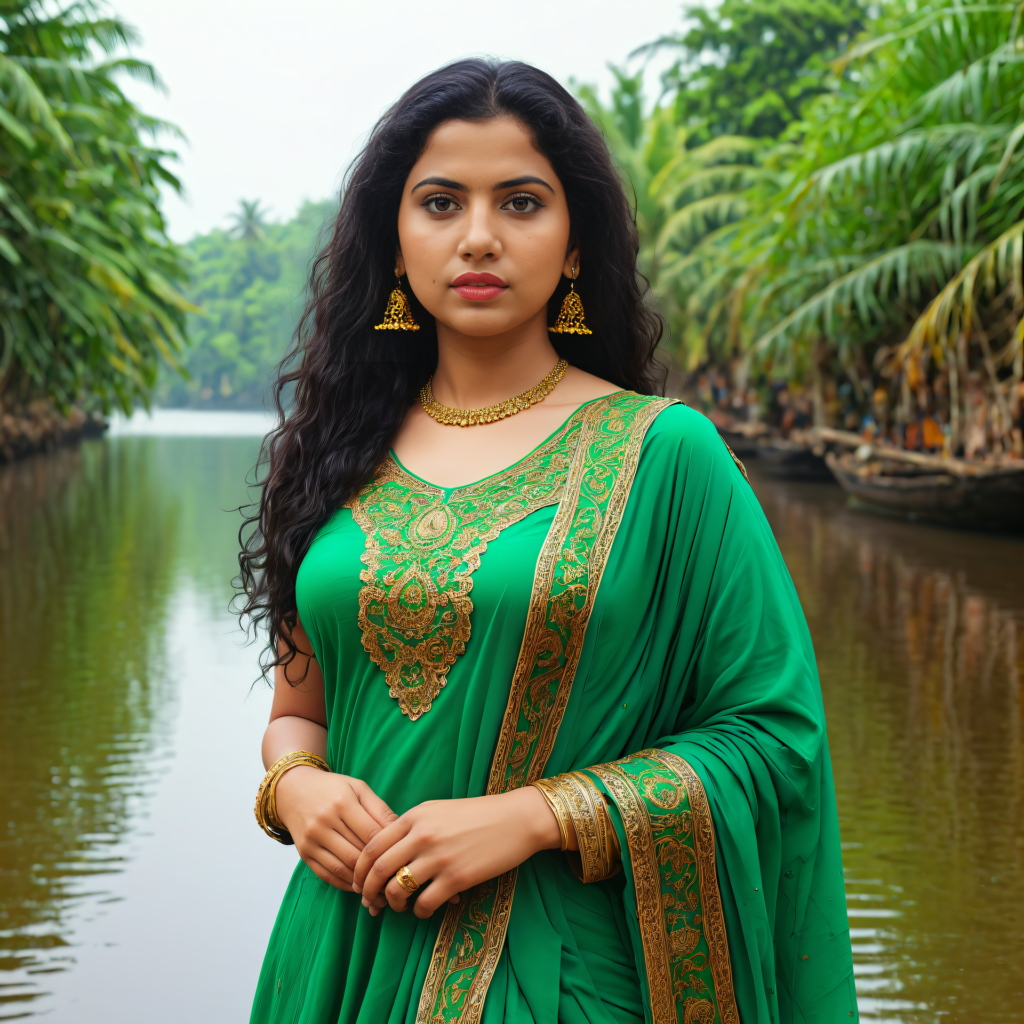
Fusion Kurta Sets — Kurtas paired with palazzo pants, denim, or structured jackets for a modern twist on traditional wear.
Handloom Revival — Increasing interest in handwoven fabrics like ikat, chanderi, and kanjivaram, supporting artisan communities while embracing sustainable fashion.
Statement Blouses — For sarees, contrast or heavily embellished blouses are becoming the focal point of the outfit rather than the saree itself.
Minimalist Ethnic Wear — Clean silhouettes with subtle embroidery and muted tones are gaining popularity among women who want elegance without excess.
Choosing Fabric for Bridal and Ethnic Wear
- Silk — Rich, structured, and traditional; ideal for wedding-day outfits.
- Georgette — Lightweight and flowy, great for mehendi and sangeet functions.
- Velvet — Adds luxury and warmth, popular for winter weddings.
- Organza — Sheer and elegant, often used in modern draped sarees and gowns.
- Cotton Silk Blends — A practical, breathable choice for daytime ceremonies like haldi.
Bridal and ethnic fashion today is about personal expression as much as tradition. Whether you’re drawn to a heavily embellished lehenga or a minimalist pastel saree, the best choice is the one that makes you feel confident and comfortable enough to fully enjoy your celebration. Trends will keep evolving, but the heart of ethnic wear — craftsmanship, culture, and individuality — remains timeless.