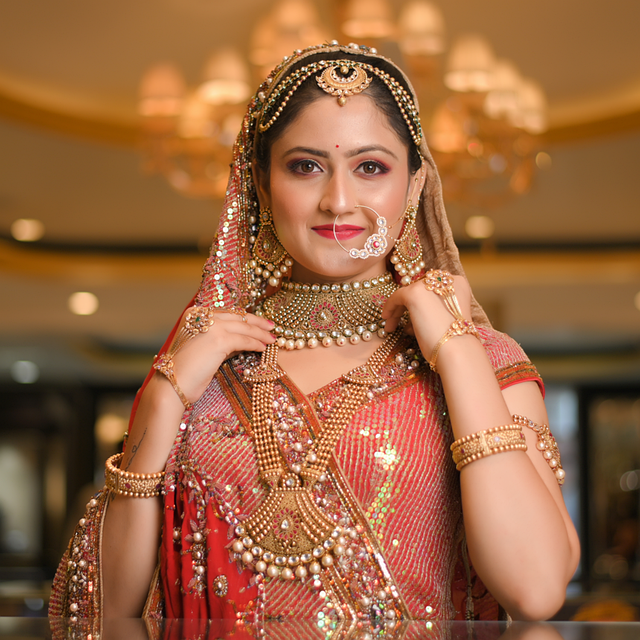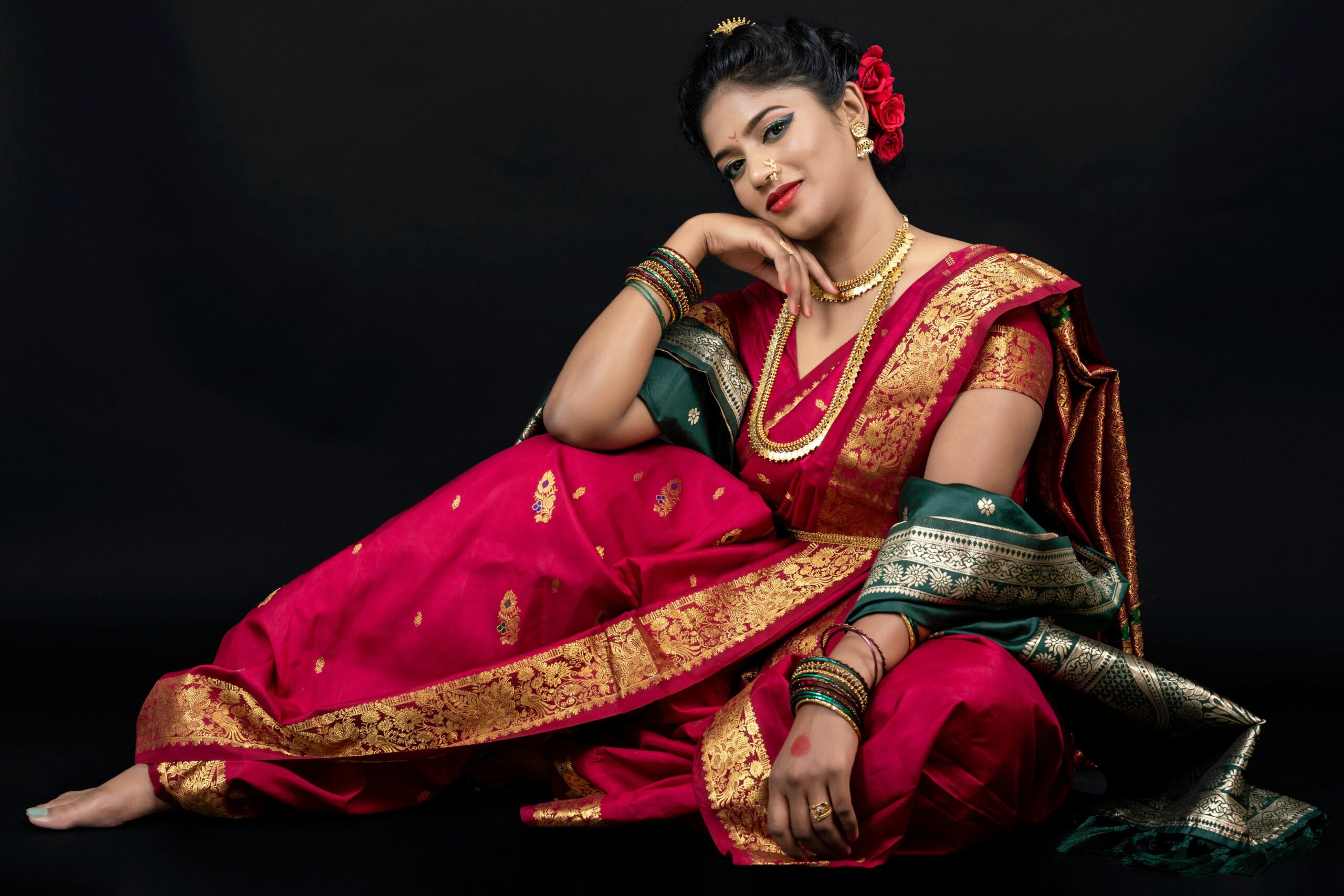
Festive season in India isn’t a single day of dressing up — it’s weeks of pujas, family gatherings, get-togethers, and celebrations, each with its own mood. Dussehra tends to be earlier in the day and rooted in ritual, while Diwali stretches across mornings of prayer and evenings of glittering parties. Here’s how to build outfits that suit both occasions, without repeating the same look twice. Explore Sarees that suits your taste and style.
Dussehra: Daytime Grace Meets Tradition
Dussehra celebrations are usually centered around daytime pujas, Ravana Dahan gatherings, and family visits, which calls for outfits that are festive but not overly heavy.
Cotton or Silk-Cotton Sarees — A crisp cotton or silk-cotton saree in warm tones like mustard, rust, or maroon strikes the right balance of tradition and comfort for a daytime Dussehra puja.
Straight-Cut Suits — A well-tailored straight-cut salwar suit offers elegance without fuss, and works equally well for temple visits and family lunches.
Regional Silhouettes — If you want something distinct, look to regional drapes like the Bengali-style saree or a Mekhla Chador — both bring cultural richness while staying easy to move in through a long day of rituals. Banarasi Silk Saree is a good option.
Colors to Lean Into — Ochre, deep red, marigold yellow, and forest green echo the season’s harvest-festival roots and photograph beautifully in daylight.
Diwali: From Morning Puja to Evening Glam
Diwali typically unfolds in stages — a simple, modest look for the Lakshmi puja, followed by something more festive for evening gatherings and parties. Planning two or three outfit levels makes the day much easier to navigate.
For the Morning Puja
Keep it light and comfortable, since you’ll likely be on your feet for a while.
- A silk or chanderi kurta set with minimal embroidery
- A simple handloom saree in a soft, auspicious color
- Comfortable flats or juttis rather than heels
For Evening Celebrations
This is where you can go bolder with color, embellishment, and silhouette.
- Anarkali Suits — Flowing and graceful, Anarkalis in jewel tones like emerald, royal blue, or wine bring old-world charm with room to move — ideal for parties where you’ll be standing, greeting guests, and taking photos all evening.
- Embellished Sarees — A georgette or silk saree with sequin or zari work catches the light beautifully under Diwali’s diyas and fairy lights.
- Indo-Western Fusion — Crop tops paired with embroidered skirts, dhoti pants with structured jackets, or a lehenga skirt worn with a contemporary blouse — these fusion looks are especially popular for sangeet-style card parties and younger crowds.
- Statement Lehengas — For the biggest evening event of the season, a lehenga in gold, wine, or emerald with detailed handwork remains a classic choice.
Colors That Define the Season
Across both festivals, certain shades dominate for good reason — they’re rooted in tradition and look stunning under festive lighting:
- Red and Maroon — Timeless and auspicious, always a safe festive choice.
- Emerald and Bottle Green — Rich and photogenic, popular for evening wear.
- Gold and Mustard — Warm tones that suit both daytime pujas and evening glam.
- Pastels — Blush, powder blue, and ivory offer a softer, modern alternative for those who prefer understated elegance over bold color.
Fabric Choices That Actually Hold Up
Festive season means long hours in your outfit, so fabric matters as much as design.
- Cotton and Chanderi — Breathable and comfortable for daytime events and pujas.
- Silk — Structured and rich, ideal for evening functions where you want a more formal drape.
- Georgette and Chiffon — Lightweight and flowy, perfect for dancing or moving freely at evening parties.
- Velvet — Adds warmth and luxury for cooler autumn evenings, especially in North Indian celebrations.
A Few Styling Tips
- Choose comfortable footwear like juttis, kolhapuris, or block heels — you’ll likely be standing for extended periods across both festivals.
- Let one piece do the talking. If your outfit has heavy embroidery, keep jewelry minimal, and vice versa.
- A well-chosen dupatta — in bandhani, lehariya, or contrasting embroidery — can transform a simple kurta set into a standout festive look without buying something new.
- Layer a long jacket or shrug over a simple kurta or crop top for an easy way to elevate a basic outfit for evening events.
Dussehra and Diwali both celebrate light, renewal, and togetherness — and your wardrobe can reflect that same spirit of moving between simplicity and celebration. Whether you’re keeping it minimal for a morning puja or going all out for an evening card party, the goal is the same: comfort that lets you fully enjoy the festivities, and color that matches the joy of the season.