Indian fashion right now is less about following a single trend and more about mixing several — heritage textiles worn with streetwear ease, bridal wear in colors nobody expected, and silhouettes built for real, busy days rather than a runway. Here’s a breakdown of what’s actually shaping wardrobes across the country this year.
1. Pre-Draped Sarees Are Changing How Women Wear Ethnic Wear
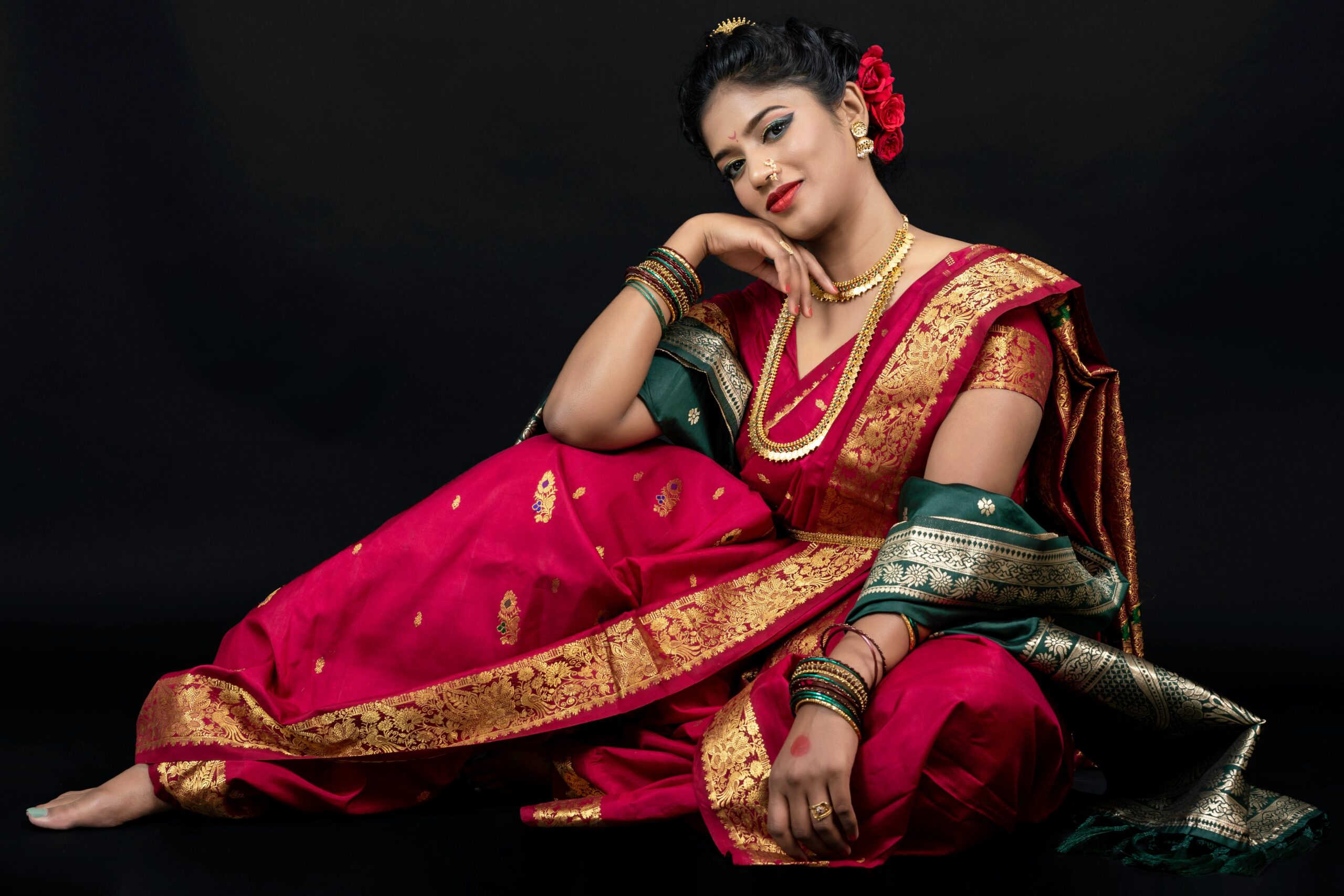
The traditional six yards is getting a practical makeover. Designers are increasingly offering pre-stitched and pre-draped saree options, responding to demand from working women who want a traditional look without the time investment of hand-draping. These come with hooks or zippers built in, making them a favorite for office festive days, quick evening events, or anyone new to saree draping. Looking for a blouse for saree.
2. The Kurta Set Has Become an Everyday Uniform
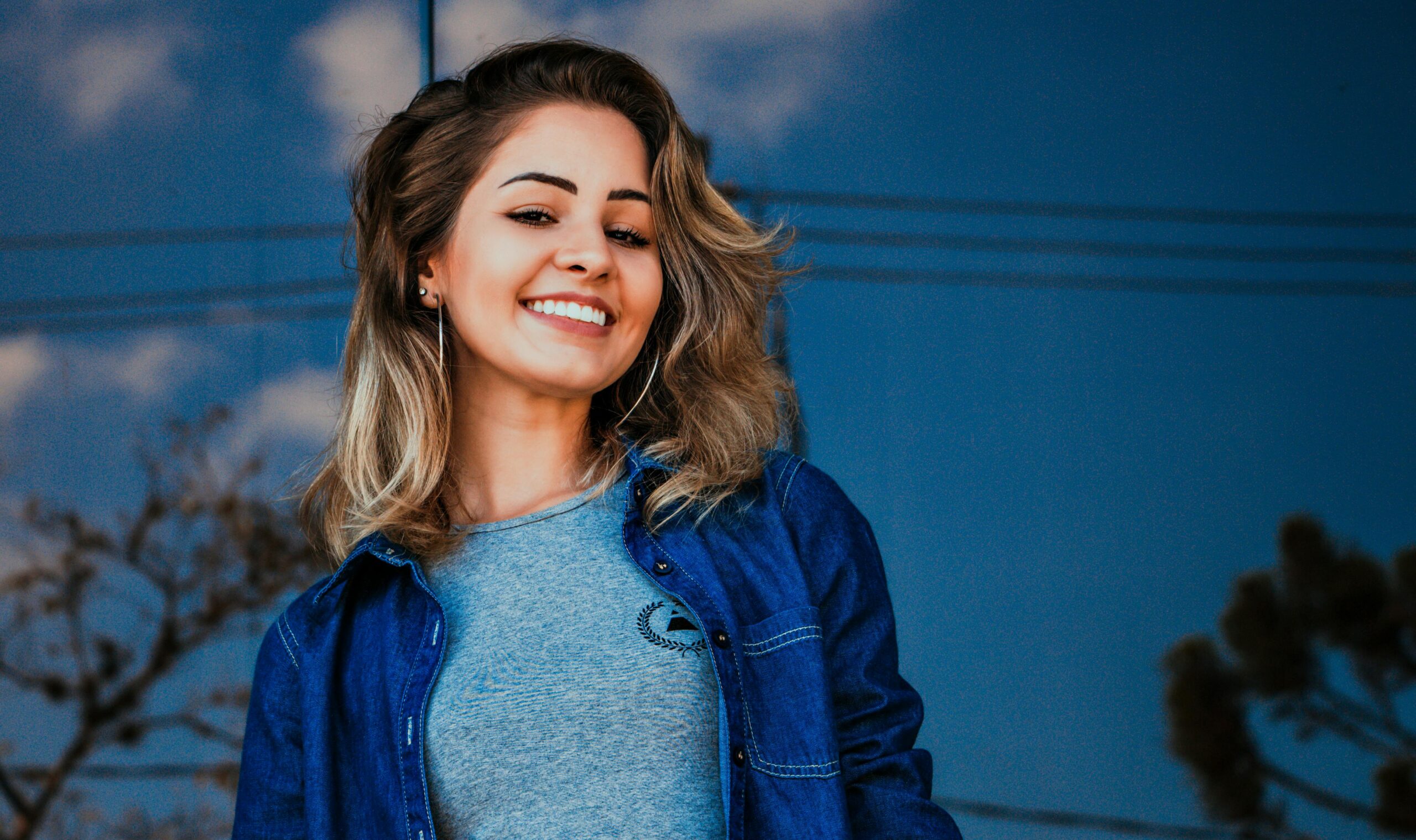
Kurta sets are arguably the star of 2026’s ethnic-casual crossover. Straight-cut handloom kurtas paired with denim, or a structured tote layered over a fitted kurta, have become one of the most reached-for combinations for women who want to look put together without overthinking it. It’s ethnic wear that no longer waits for a festival — it shows up on a regular Tuesday.
3. Oversized Fits, But Balanced
Streetwear-driven oversized dressing — roomy tees, relaxed cargos, hoodies — is still going strong, but the styling rule has shifted. Instead of head-to-toe baggy, women are now pairing one oversized piece with something fitted, so the silhouette reads intentional rather than shapeless. Skinny, second-skin fits are largely being left behind in favor of this looser, more breathable approach to dressing.
4. Handloom Fabrics Are Having a Real Comeback
Khadi, Chanderi, and Banarasi silk are showing up far beyond weddings now. There’s a growing appetite for handwoven textiles because they support local artisans and give outfits a texture and richness that mass-produced fabric simply can’t match. Even Khadi is getting a refresh — designers are blending it with hemp, bamboo, and regenerative cotton to make it more breathable in India’s heat while keeping the handloom character intact.
5. Bridal and Occasion Wear Is Breaking the “No White” Rule
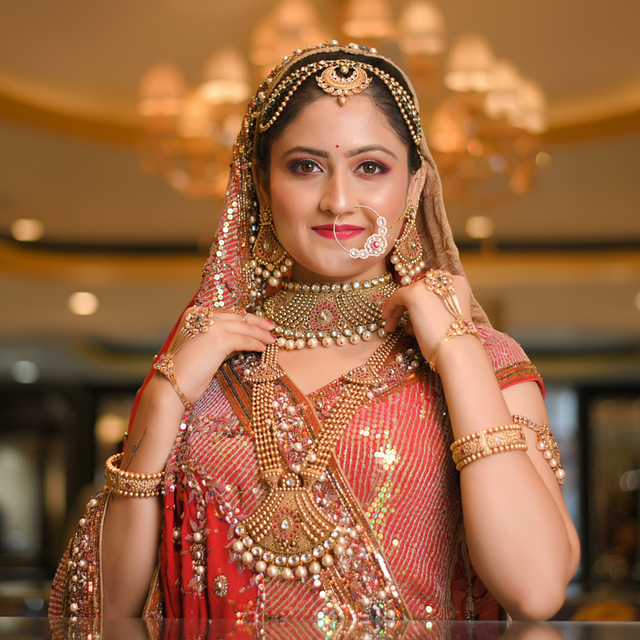
One of the more interesting shifts this year: ivory and off-white, once considered inauspicious at Indian celebrations, are now everywhere — ivory kurta sets, champagne-toned sarees, and off-white anarkalis finished with heavy gold embroidery. Alongside this, saree-style gowns are gaining ground for mehendi and sangeet functions, offering the drape and drama of a saree pallu with the ease of a stitched gown, so there’s no pleat to worry about while dancing.
6. The Embroidered Shirt Is This Year’s Most Versatile Piece
A single embroidered shirt is doing double, sometimes triple duty this year — paired with a sharara for a wedding function, with jeans for a weekend brunch, or with tailored trousers for dinner. Few Indian garments move this easily between traditional and contemporary settings, which is probably why it’s become such a wardrobe favorite.
7. Utility Meets Ethnic: The “Khaki-Coded” Trend
Safari-inspired utility wear is crossing over into Indian fashion in an unexpected way — think pocketed jackets layered over sarees, or linen co-ord sets designed for destination and travel weddings. It’s a practical, slightly rugged aesthetic that’s found its footing with women who travel often for celebrations and want function without giving up on style.
8. The Column Maxi Is the New Little Black Dress
For evening wear, the sleek, floor-length column maxi — in silk or satin, cut close to the body with sweeping movement — is emerging as a go-to replacement for the classic LBD. Whether styled as a simple slip or a kaftan-inspired cut, it’s becoming a staple for sangeets, cocktail nights, and receptions alike.
9. Color Stories: Tone-on-Tone and Bold Blocking
Two color approaches are dominating right now, and they sit at opposite ends of the spectrum. Tone-on-tone dressing — a single hue worn head to toe in varying shades — is popular for its clean, elevated look. At the same time, bold color blocking with shades like teal, wine, plum, and pastel mint is trending for festive and occasion wear, often used to modernize traditional silhouettes like lehengas and sarees.
10. Sustainability Is No Longer a Niche Choice
Eco-conscious buying is shaping mainstream decisions now, not just a small segment of shoppers. More women are actively choosing ethically produced pieces and natural fibers, and some newer collections are even including QR codes or digital product passports so buyers can trace how a garment was made — a small but telling sign of how seriously sustainability is being taken this year.
The Bigger Picture
If there’s one thread running through all of this, it’s that Indian fashion in 2026 isn’t choosing between heritage and modernity — it’s blending both, on the wearer’s terms. A handloom kurta with jeans, an ivory anarkali instead of red, a saree with a utility jacket thrown over it — these combinations reflect a generation that wants clothing to fit their actual lives, not the other way around.