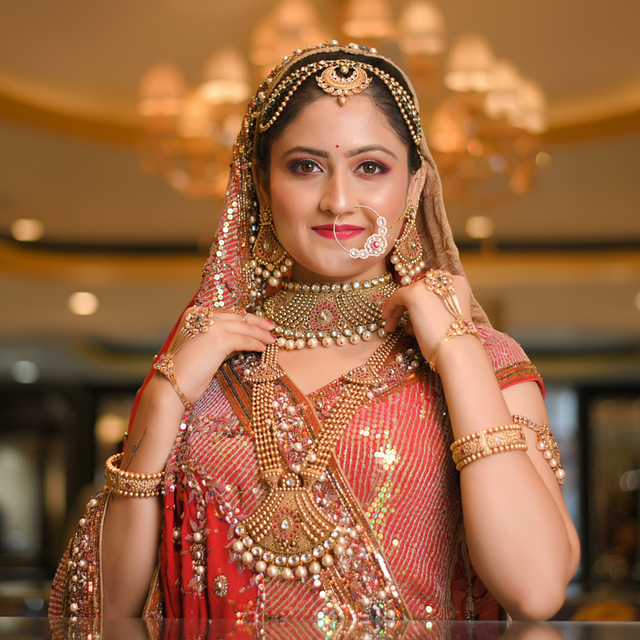
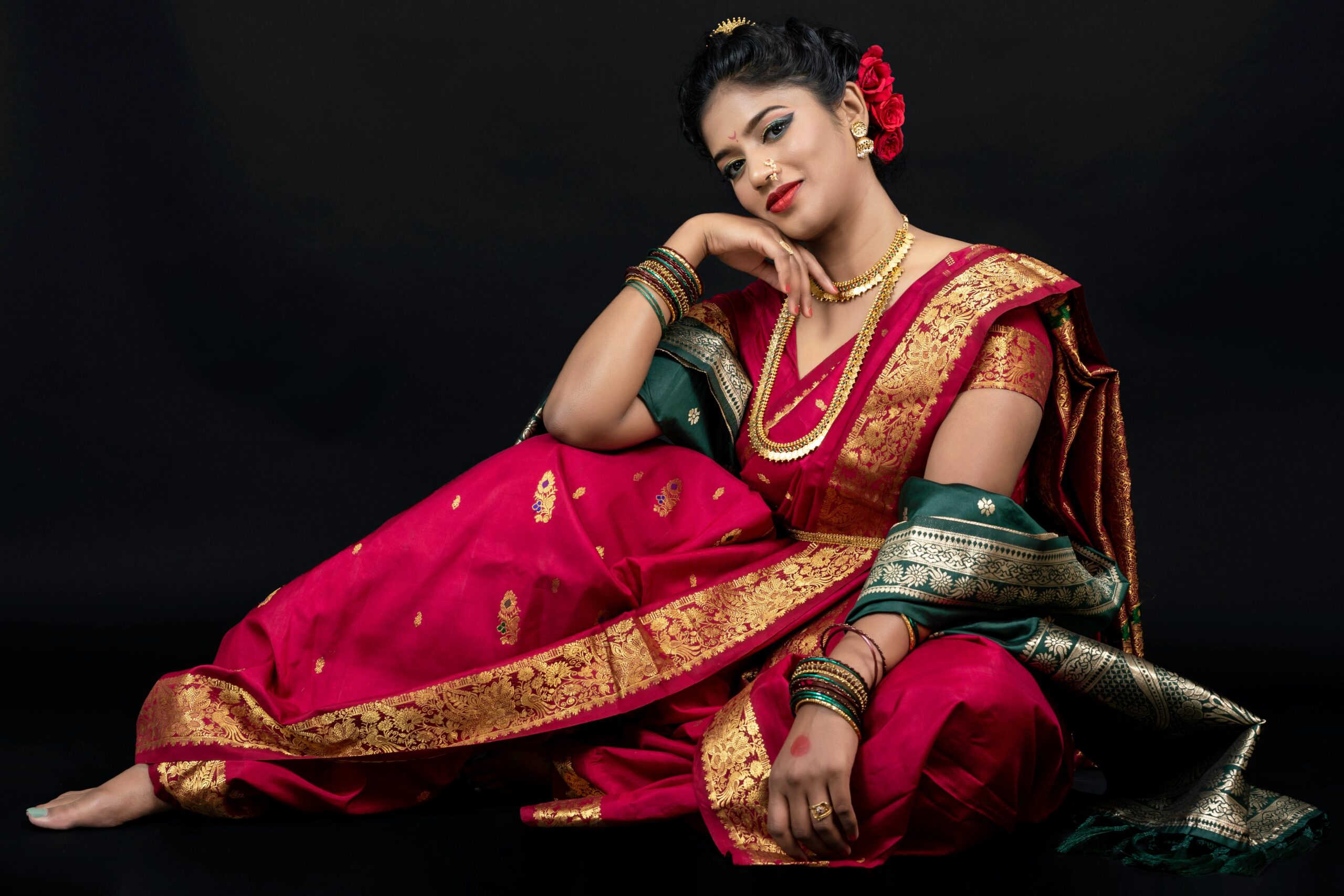
Indian women wear sarees for a variety of profound reasons, reflecting their cultural, national, and personal identities. The saree serves as a vibrant expression of cultural pride, preserving ancient customs and traditions. It embodies national pride, symbolizing India’s rich heritage and unity. In Hindu culture, the saree represents virtue and reverence, reinforcing connections to spiritual and cultural roots. Beyond tradition, sarees have facilitated social mobility and empowerment, providing women with a means to assert their identity and participate in broader societal movements. They also play a role in political empowerment, serving as a tool for mobilization and advocacy.
Wearing a saree is a gesture of respect for elders and family values, and often carries a deep sense of nostalgia as cherished pieces are passed down through generations. Overall, sarees are intimately tied to personal identity, evoking a profound sense of memory and belonging. There are different types of sarees across India, which is not only popular within India but also liked by Indian and other countries citizens across the world. Below are the different types of sarees and their origin.
1. Banarasi Saree
- Origin: Varanasi, Uttar Pradesh
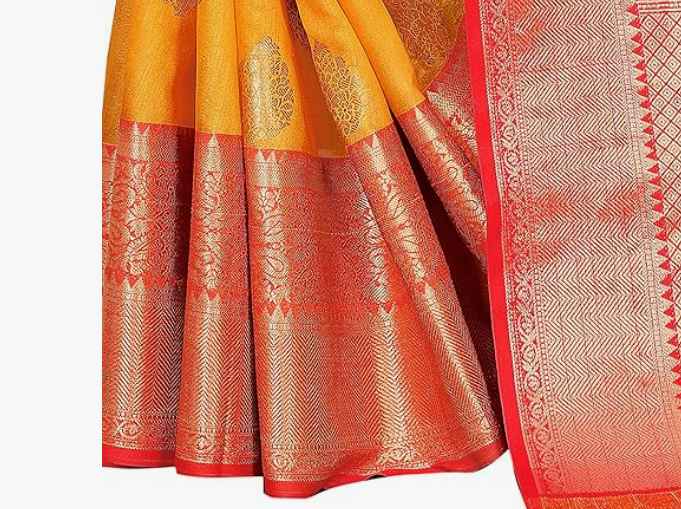
- The Banarasi saree is a hallmark of Indian opulence, known for its luxurious silk fabric and intricate zari (gold and silver thread) work. This saree often features elaborate patterns such as Mughal-inspired floral motifs, paisleys, and brocade work. It is highly prized for weddings and festive occasions due to its grandeur and rich craftsmanship.
2. Kanjeevaram or Kanchipuram Saree
- Origin: Tamil Nadu
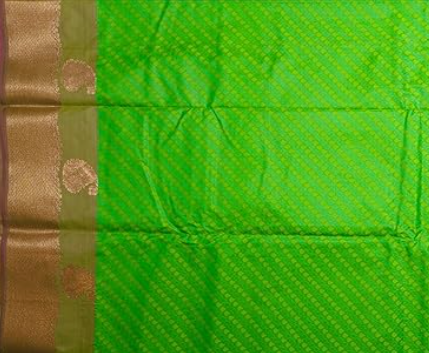
- Kanjeevaram sarees or Kanchipuram Silk Sarees are renowned for their rich, heavy silk and vibrant colors. These sarees are characterized by their bold, contrasting borders and pallu (end piece), often embellished with elaborate gold zari work. Traditional motifs like peacocks, temples, and floral patterns make them a popular choice for South Indian brides and ceremonial occasions.
3. Bandhani Saree
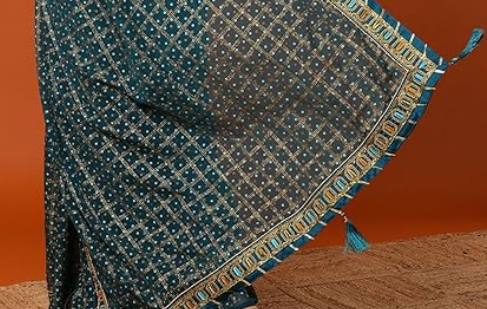
- Origin: Gujarat
- Bandhani sarees are distinguished by their vibrant tie-dye patterns. Created through a technique of tying small sections of fabric and then dyeing it, this saree showcases intricate, dot-like designs in bright colors. It is a festive favorite, often worn during weddings and cultural celebrations, reflecting the vivacious spirit of Gujarat.
4. Tant Saree
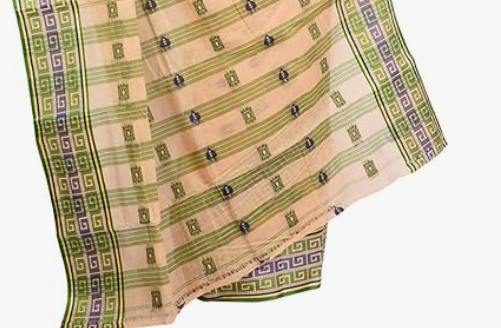
- Origin: West Bengal
- The Tant saree is known for its lightweight, breathable cotton fabric, making it ideal for the hot and humid climate of West Bengal. Typically featuring simple, traditional patterns with delicate borders and pallus, it is both practical and elegant. Tant sarees are favored for everyday wear and casual gatherings.
5. Chikankari Saree
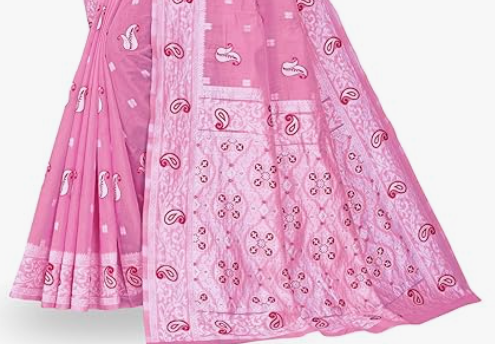
- Origin: Lucknow, Uttar Pradesh
- Chikankari sarees are celebrated for their exquisite hand-embroidered designs. The embroidery, known as Chikan, involves intricate needlework including floral patterns and delicate stitches. Made from fabrics like chiffon, georgette, or silk, these sarees are often worn for formal and festive occasions, reflecting the artistic heritage of Lucknow.
6. Bomkai Saree
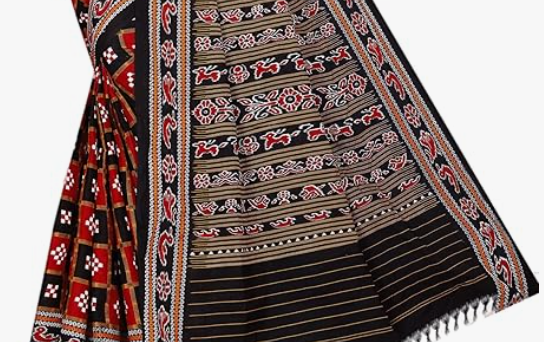
- Origin: Odisha
- Bomkai sarees, also known as Sonepuri sarees, are renowned for their traditional ikat weaving technique. The sarees feature vibrant colors and geometric patterns with intricate borders and pallu designs. The craftsmanship involves a complex dyeing process, making each Bomkai saree unique. They are valued for their rich textures and cultural significance.
7. Chanderi Saree
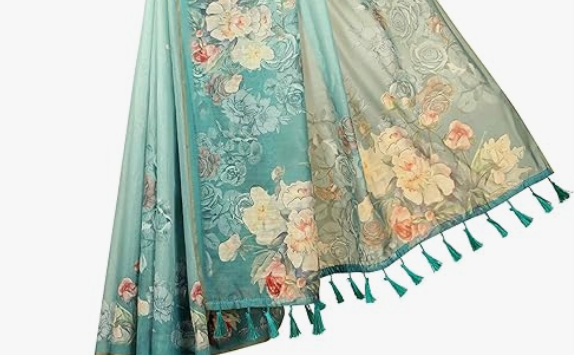
- Origin: Madhya Pradesh
- Chanderi sarees are known for their lightweight, sheer fabric with a subtle sheen. The sarees often feature traditional motifs like peacocks and floral patterns, woven in silk or cotton. Chanderi sarees are celebrated for their elegant and airy feel, making them suitable for both daily wear and special occasions.
8. Kasavu Saree
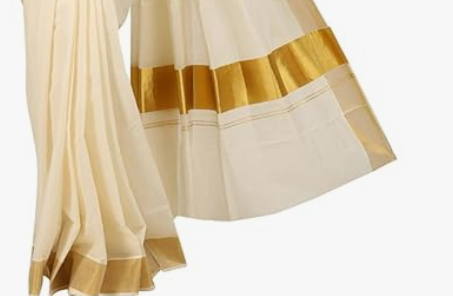
- Origin: Kerala
- Kasavu sarees are characterized by their simple, elegant design with a distinctive golden zari border. Made from fine cotton, these sarees typically come in shades of white or cream, accentuated by a gold thread border. They are traditionally worn during festivals and religious ceremonies in Kerala, symbolizing purity and grace.
9. Muga Saree
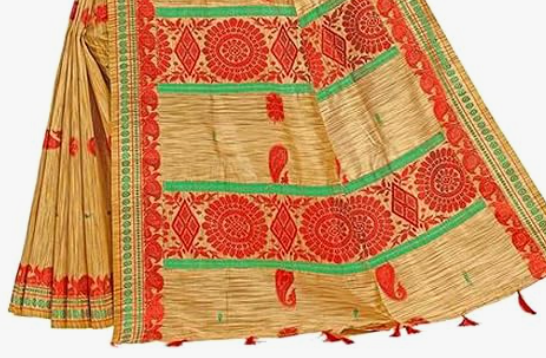
- Origin: Assam
- Muga sarees are made from a unique, naturally golden silk produced by silkworms in Assam. Known for their durability and sheen, these sarees often feature traditional Assamese motifs and are prized for their luxurious texture. Muga sarees are worn during special occasions and festivals, reflecting the rich heritage of Assam.
10. Phulkari Saree
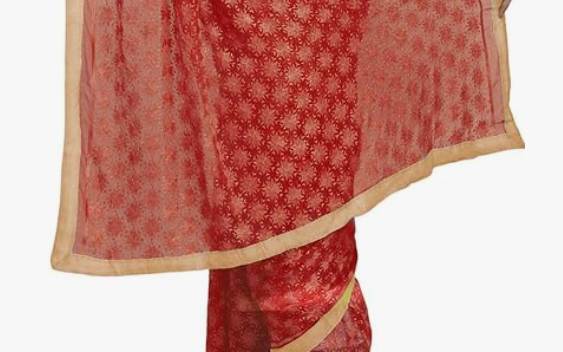
- Origin: Punjab
- Phulkari sarees are renowned for their vibrant, hand-embroidered floral patterns. The embroidery, known as Phulkari, involves colorful threads stitched into the fabric to create elaborate designs. These sarees are often worn during festivals and weddings, representing the lively cultural traditions of Punjab.
11. Pochampally Saree
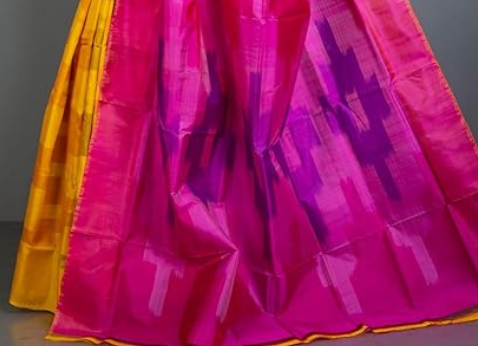
- Origin: Telangana
- Pochampally sarees are distinguished by their unique ikat weaving technique, which creates intricate geometric patterns. The sarees are often crafted in bright, contrasting colors, showcasing the artisanal skill of the weavers. Pochampally sarees are popular for their striking patterns and cultural significance.
12. Nauvari Saree
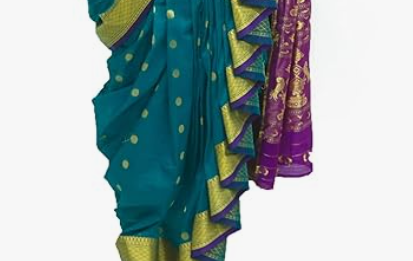
- Origin: Maharashtra
- The Nauvari saree, also known as the Nauvari or nine-yard saree, is traditionally worn in a drape that extends to the floor. It is usually made of silk or cotton and is characterized by its long, flowing design. This saree is often worn during Maharashtrian festivals and weddings, embodying the cultural elegance of the region.
13. Baluchari Saree
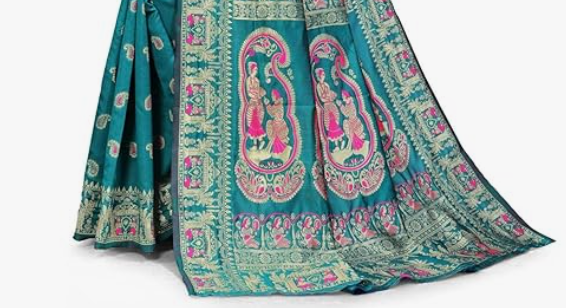
- Origin: West Bengal
- Baluchari sarees are known for their rich silk fabric and elaborate woven motifs, often depicting mythological scenes or historical events. Originally from Baluchari in West Bengal, these sarees now reflect a blend of traditional and contemporary styles. They are highly valued for their artistic design and craftsmanship.
14. Ikat Saree
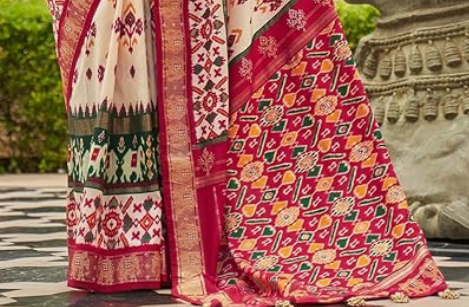
- Origin: Karnataka
- Ikat sarees from Karnataka are known for their distinctive dyeing technique, where the yarn is dyed before weaving to create intricate patterns. The resulting sarees often feature bold, geometric designs and vibrant colors. These sarees are appreciated for their unique appearance and traditional craftsmanship.
15. Mysore Silk Saree
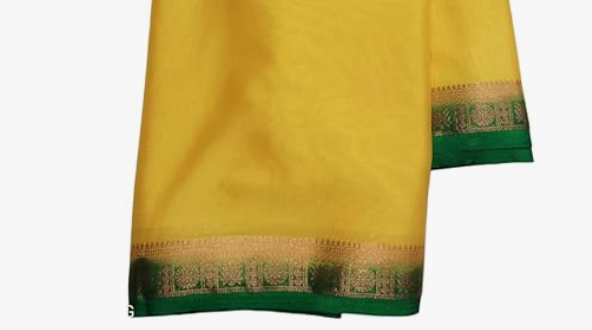
- Origin: Karnataka
- Mysore silk sarees are renowned for their smooth texture and glossy finish, created from high-quality silk. These sarees typically feature simple yet elegant designs with contrasting borders and pallu. Mysore silk sarees are cherished for their understated beauty and are often worn during formal occasions.
16. Udupi Cotton Saree
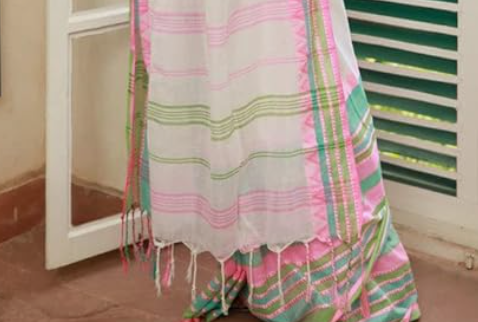
- Origin: Karnataka
- Udupi cotton sarees are known for their comfortable and breathable fabric, making them ideal for everyday wear. They usually feature traditional patterns and subtle colors, reflecting a simple yet elegant aesthetic. Udupi cotton sarees are valued for their practicality and durability.